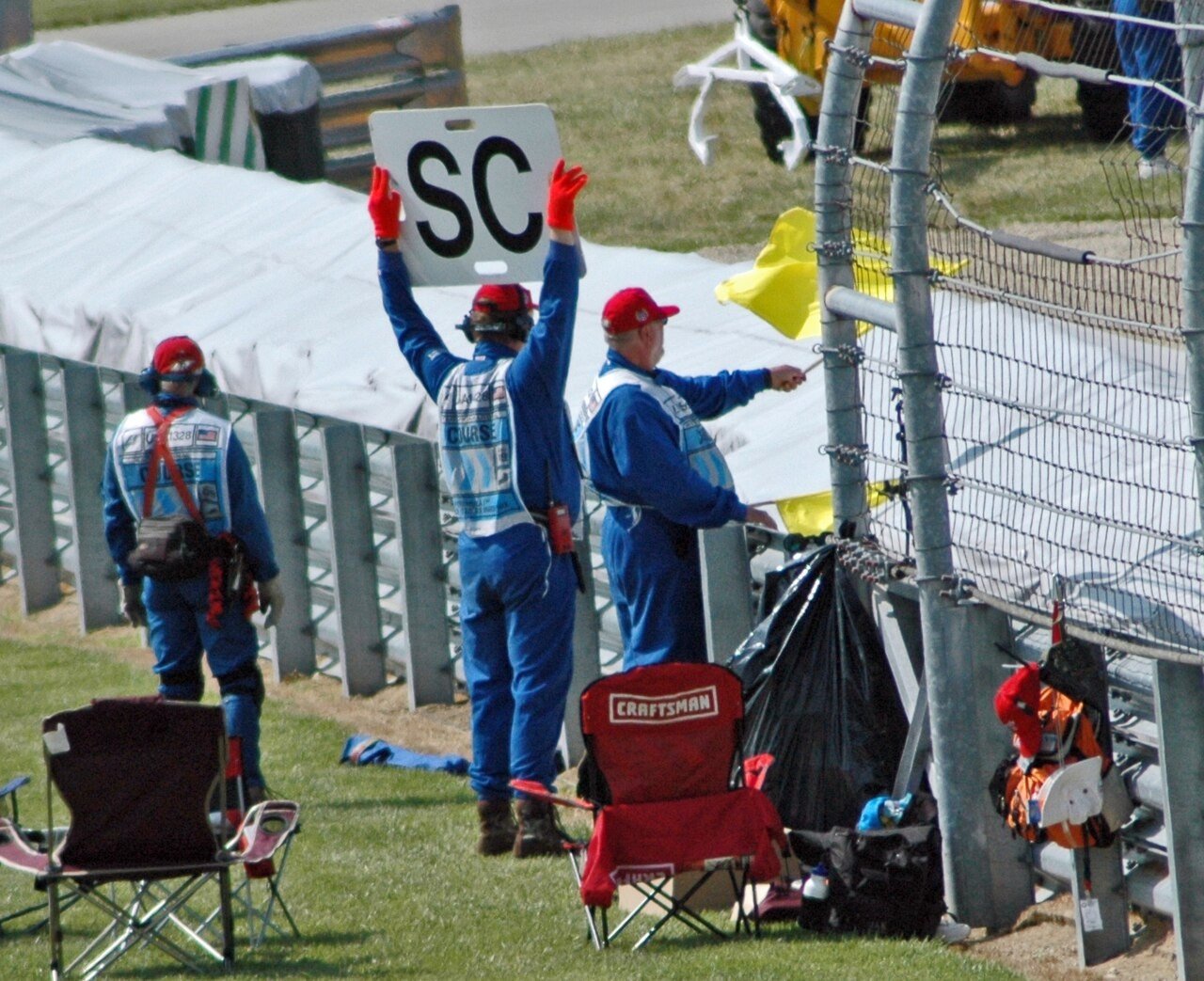
When there is danger on track, a silver car leads the field at reduced speed. Here is what the safety car does, how a virtual safety car differs and what happens at the restart.
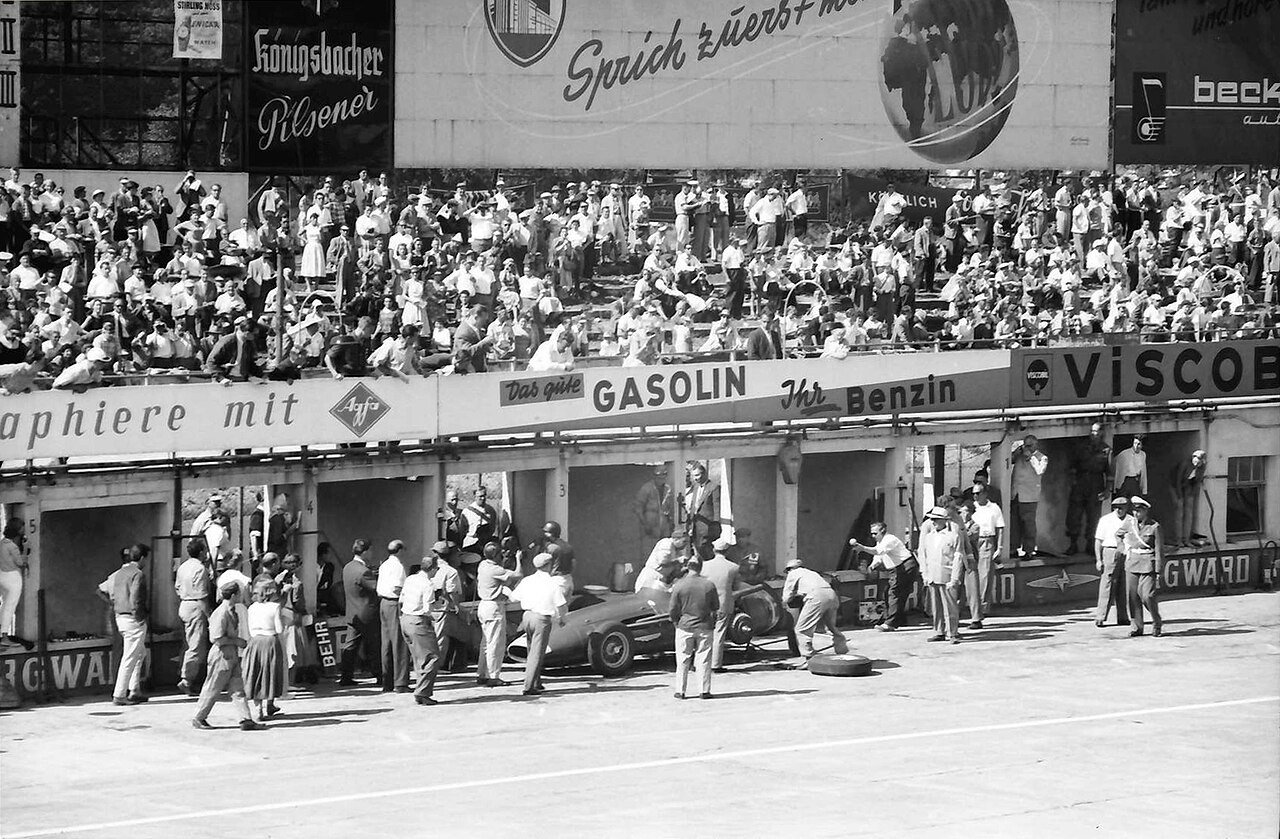
A pit stop takes only a few seconds, but when a driver stops and which tyres they fit can win or lose a race. Here is how tyre compounds and pit stops work in Formula 1.
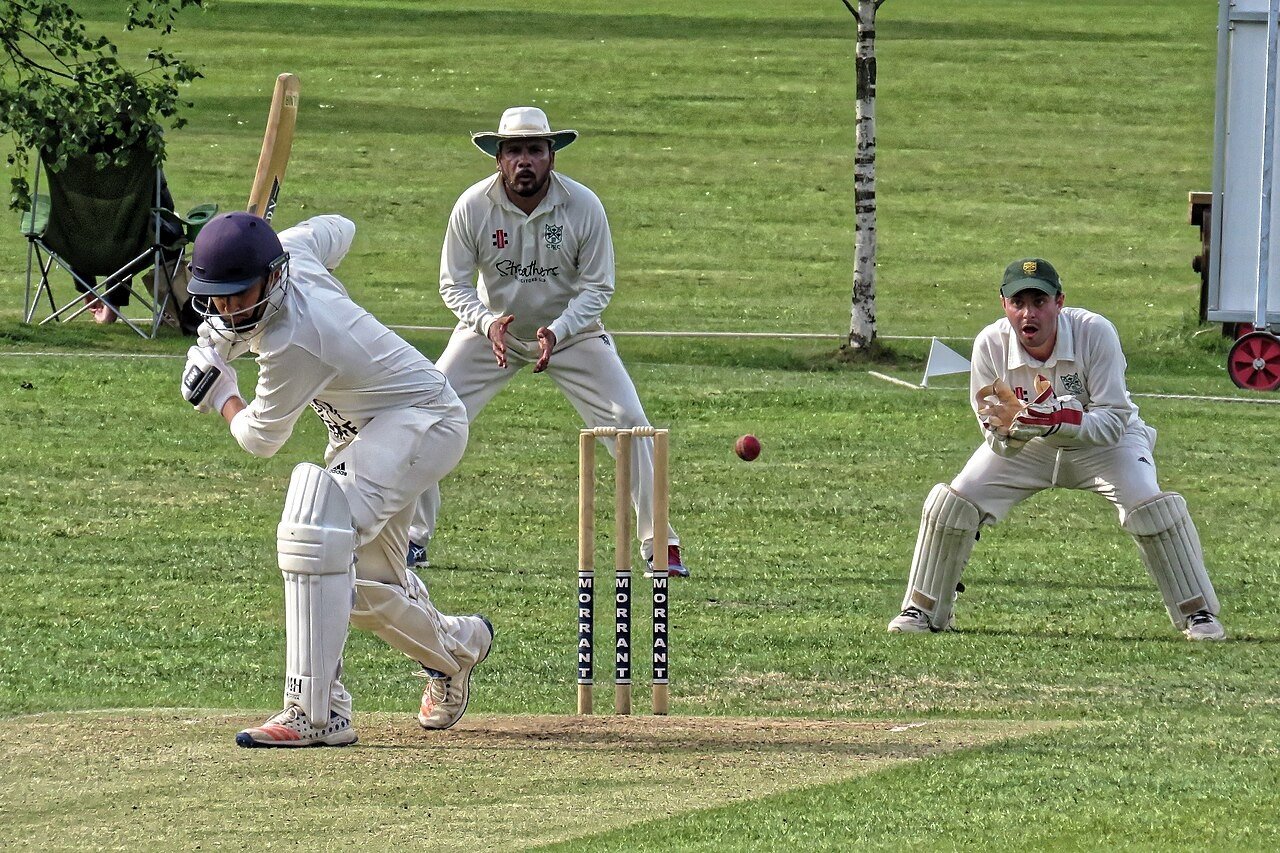
Fielders are placed around the ground to stop runs and take catches. Here is what slip, gully, point, cover and mid-off mean, and why captains keep moving them around.
Bowled, caught, LBW, run out and stumped are the best known ways to get a batter out. Here is what each one means and how the umpire and the review system fit in.
How do you read a cricket scoreboard? Here is how runs are scored, what an over is, what extras mean and how to make sense of a total such as 437 for 6.
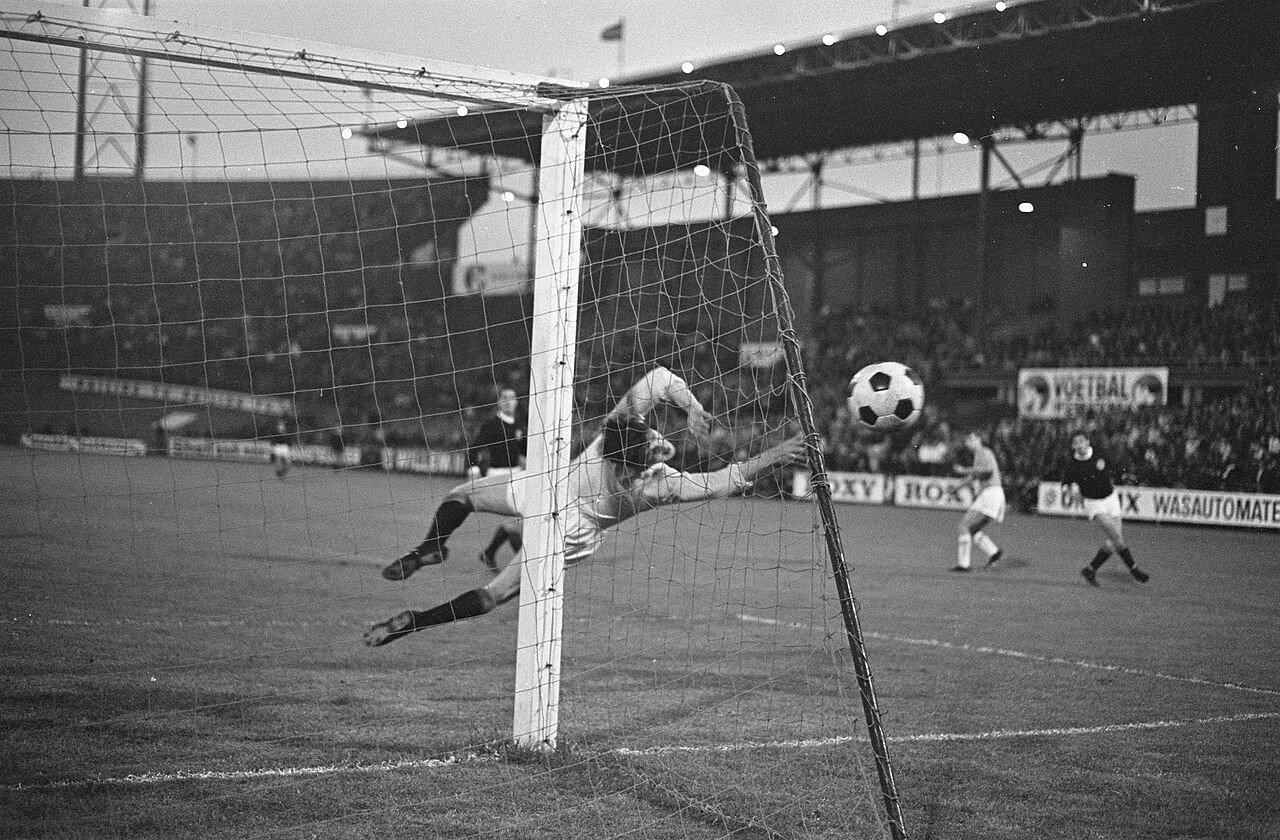
Eleven players and four main roles. Here is what goalkeepers, defenders, midfielders and forwards do, and how a formation such as 4-3-3 describes the shape of a team.
A yellow card is a warning and a red card sends a player off. Here is what earns each card, what happens next and how video review fits into the referee's decisions.
Three points for a win, one for a draw and none for a defeat: that is where it starts. Here is how a football league table is built and what happens when teams finish level on points.
Between rounds a fighter has about a minute with their corner team. Here is who stands in the corner, what a cutman does and why a good coach can change the direction of a fight.
A UFC event is a long night of fights split into sections. Here is what the main card, prelims and early prelims mean, how fights are ordered and what the main event spot tells you.
Not every fight ends with a knockout. Here are the main submission holds in mixed martial arts, how a fighter taps out, and why the ground game decides so many fights.