In cricket the fielding captain places players around the ground to stop runs and catch the ball. The names sound strange at first, but they are easy to follow once you picture the batter at the centre.
Close catchers
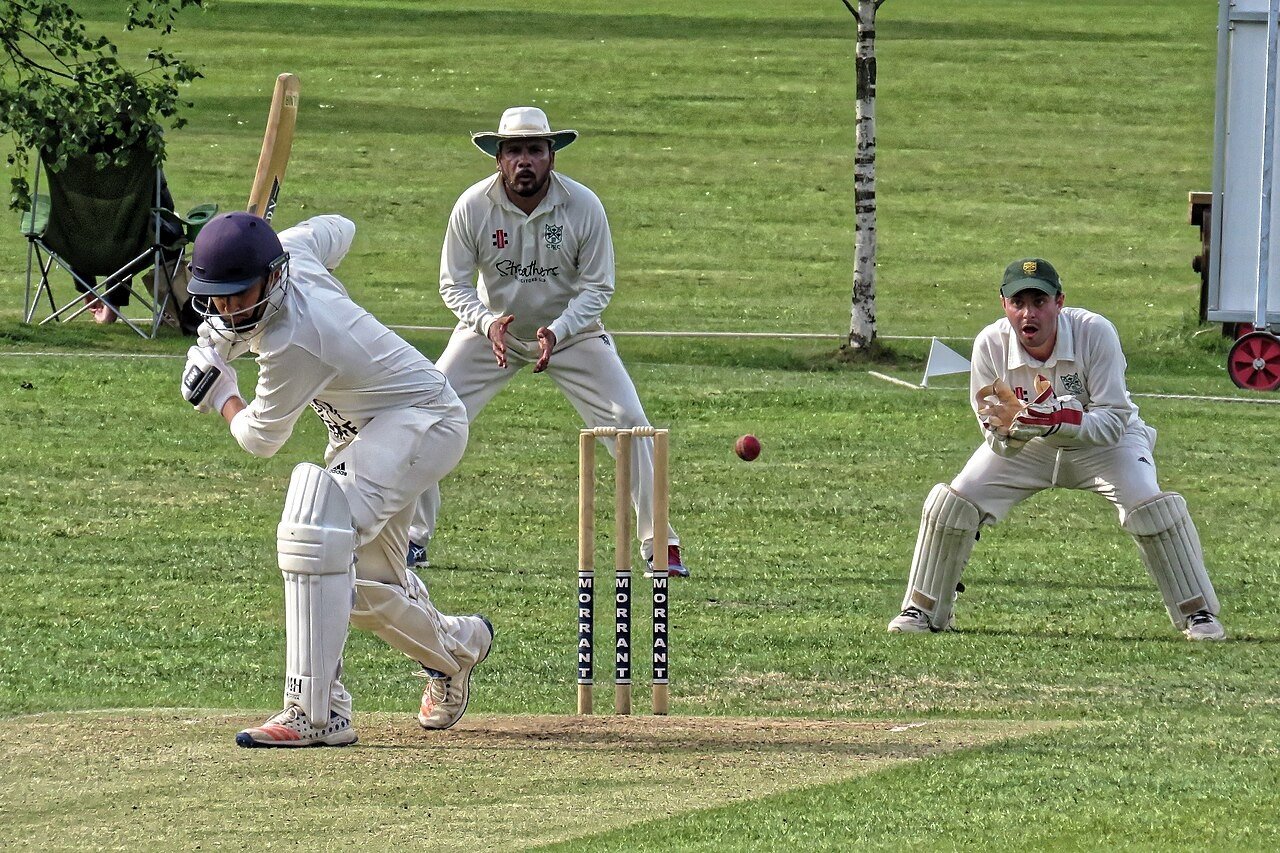
Slips stand in a line to the side of the wicketkeeper, close behind the batter, ready for a ball that just touches the bat. Gully stands a little wider than the slips. Close fielders have very little time to react, so they need quick hands and sharp concentration.
On the off side
Point, cover and mid-off sit on the off side, in a rough arc from square of the batter to straight down the ground. They stop shots hit in front of the wicket and often make the run-outs.
On the leg side
Square leg, mid-wicket and fine leg are on the leg side, the other half of the field. Fine leg stands near the boundary behind the batter, while square leg is level with the stumps.
Why captains move fielders
A captain may bring fielders in close to attack and take wickets, or push them to the boundary to save runs. The field changes depending on the bowler, the batter, the pitch and the stage of the match.
Watch: a catching video from the IPL
Here is a recent video from the Indian Premier League's official YouTube channel.
Cover photo: a batter plays forward while a close fielder and the wicketkeeper crouch behind the stumps. Photo: Acabashi, CC BY-SA 4.0, via Wikimedia Commons.