
A cricket scoreboard is packed with numbers. Once you know what they mean, following a match gets much easier.
Scoring runs
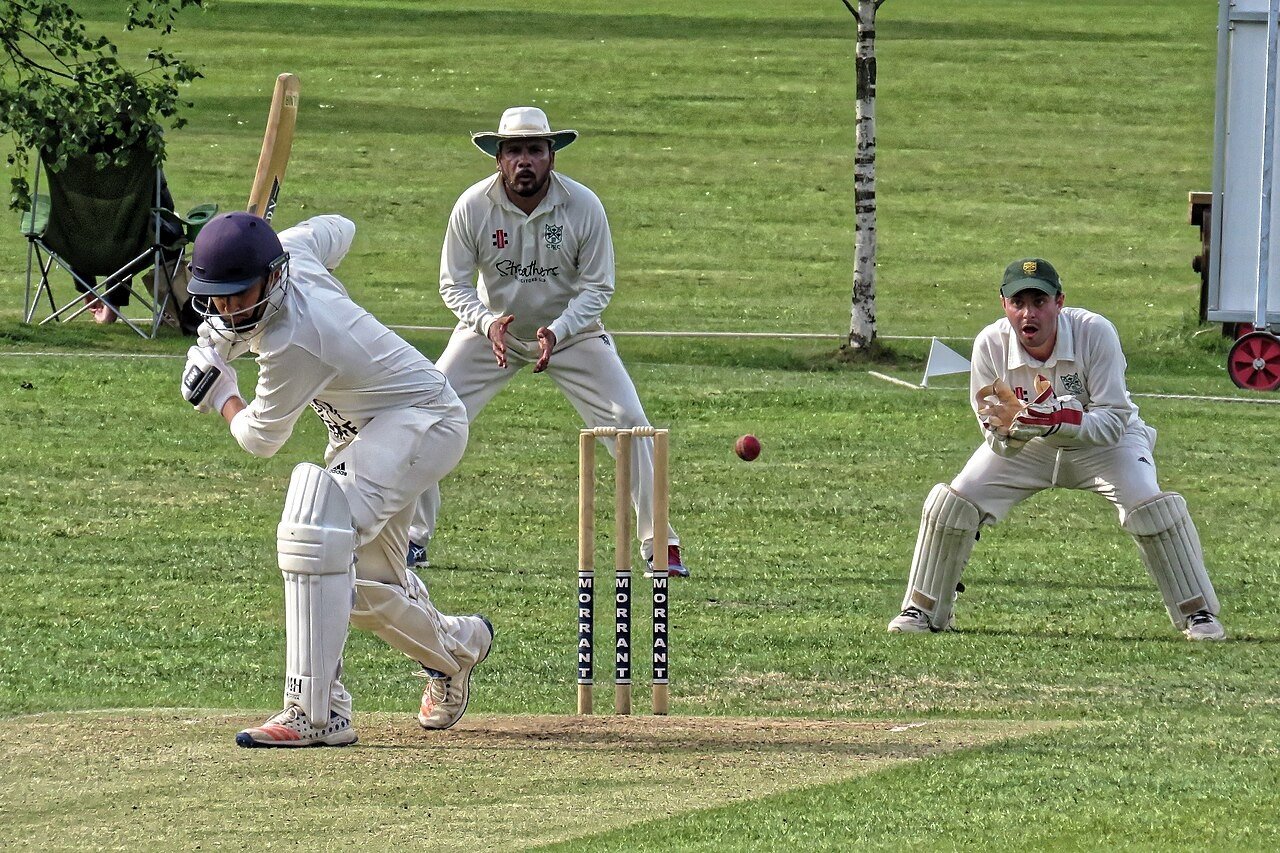
Batters score runs by hitting the ball and running between the wickets, and each run counts one. If the ball reaches the boundary after bouncing, it scores four runs, and if it crosses the boundary without bouncing, it scores six.
Overs and wickets
Bowlers deliver the ball in overs of six legal balls. A team's innings ends when ten wickets have fallen or, in a limited-overs match, when its overs are used up.
Extras
Extras are runs that do not come off the bat. They include wides and no-balls, which are bowling errors, and byes and leg byes, which are runs taken when the ball is not hit by the bat.
Reading the total
A total written as 437 for 6 means the team has scored 437 runs and lost six wickets. The scoreboard also shows the overs bowled, the run rate and the scores of the two batters at the crease.
Watch: a video from the ICC
Here is a recent video from the International Cricket Council's official YouTube channel.
Cover photo: a scoreboard at Headingley Cricket Ground in Leeds. Photo: John Sutton, CC BY-SA 2.0, via Wikimedia Commons.