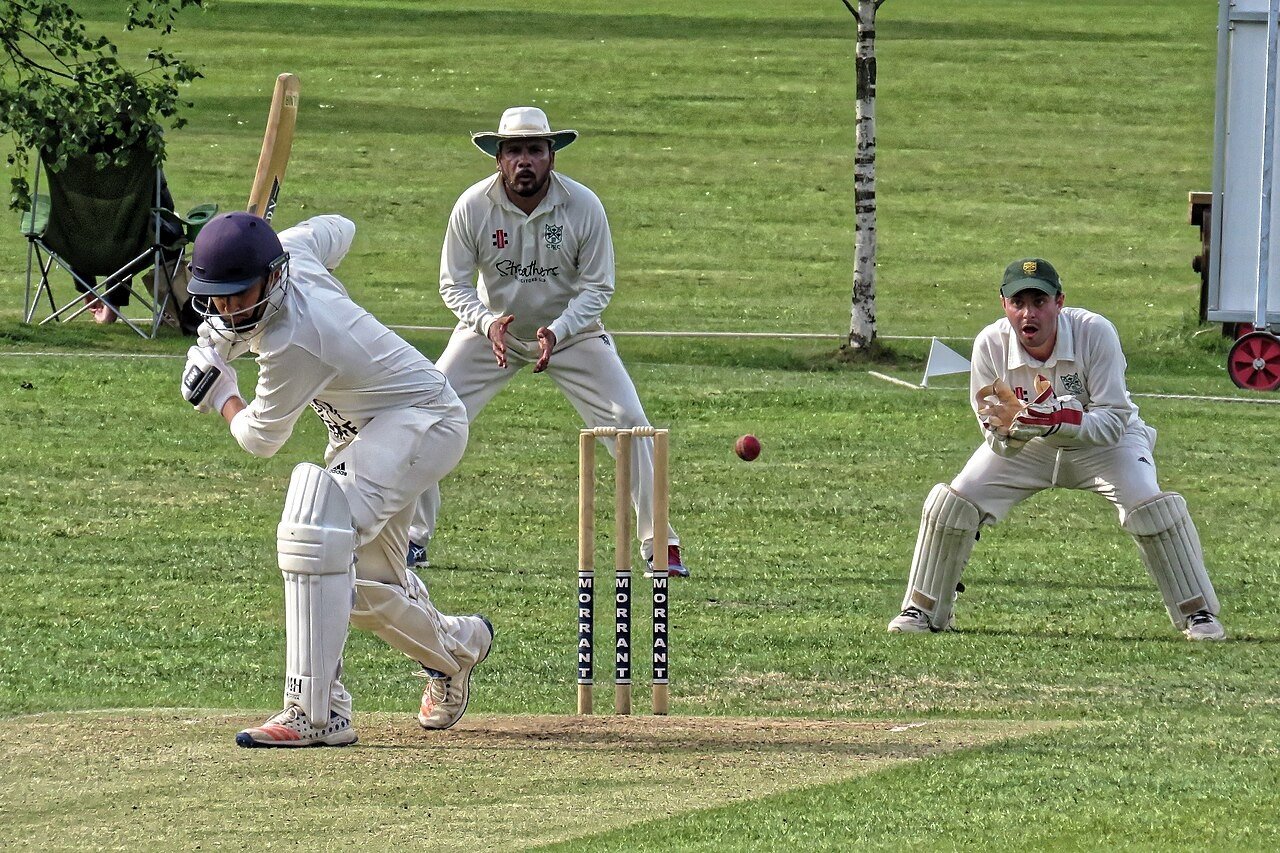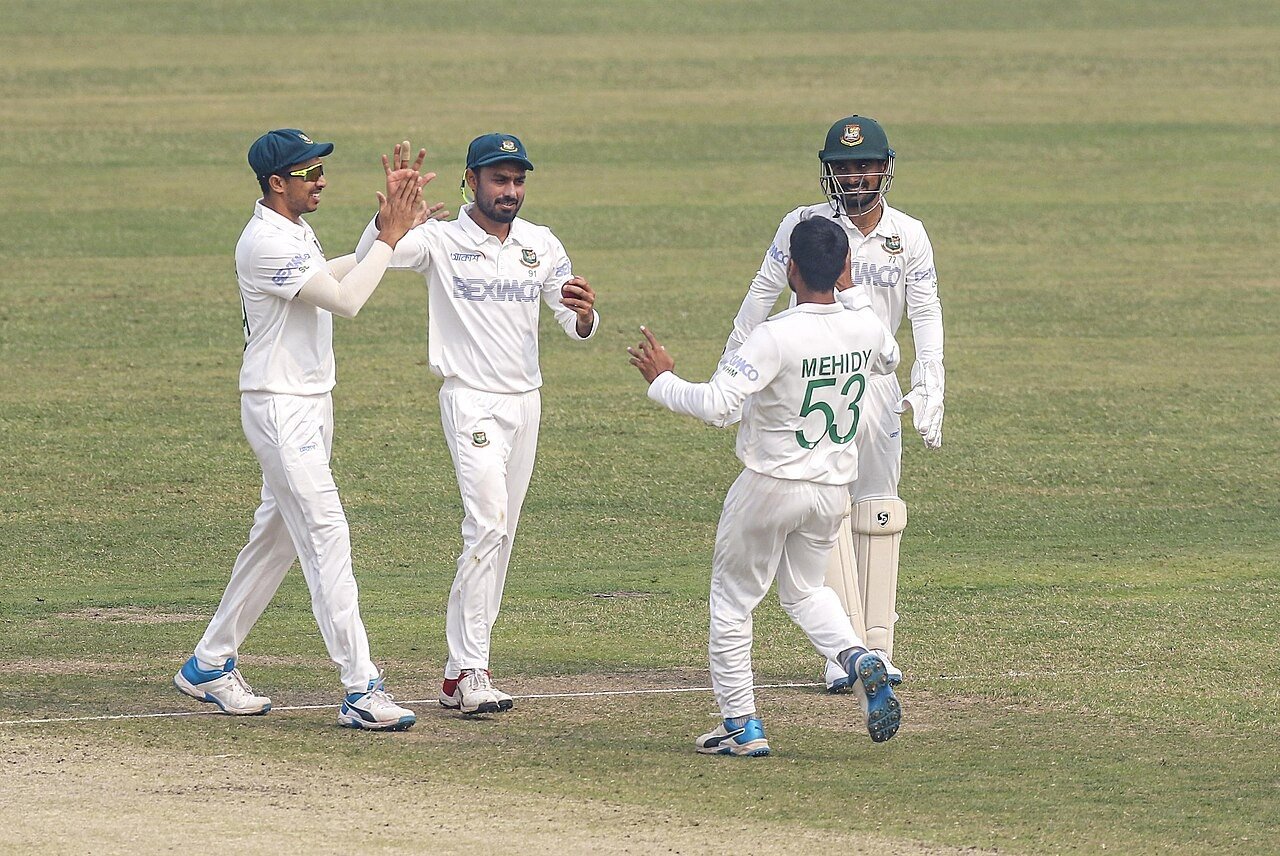

When a batter is out, the fielding side takes a wicket. There are several ways it can happen, and a few of them are very common.
Bowled and caught
A batter is bowled if the ball hits the stumps and removes a bail. They are caught if a fielder takes the ball cleanly before it bounces, after it has come off the bat or the batter's glove while it holds the bat.
Leg before wicket
Leg before wicket, or LBW, is given when the ball would have hit the stumps but hits the batter's body first. The umpire considers where the ball pitched, whether it hit the batter in line with the stumps and whether it would have gone on to hit them.
Run out and stumped
A batter is run out if the fielding side breaks the wicket while the batter is out of their ground. A batter is stumped when the wicketkeeper breaks the wicket after the batter has stepped out of the crease and missed the ball.
Reviews
In many matches the batting or fielding side can ask for a review of an umpire's decision using technology. If the evidence is too close to overturn the decision, the on-field umpire's call stands.
Watch: a video from the ICC
Here is a recent video from the International Cricket Council's official YouTube channel.
Cover photo: three stumps with bails on a pitch. Photo: Acabashi, CC BY-SA 4.0, via Wikimedia Commons.