The safety car is one of the most dramatic moments in a race. It can bunch up the field and change the whole result.
Why the safety car comes out
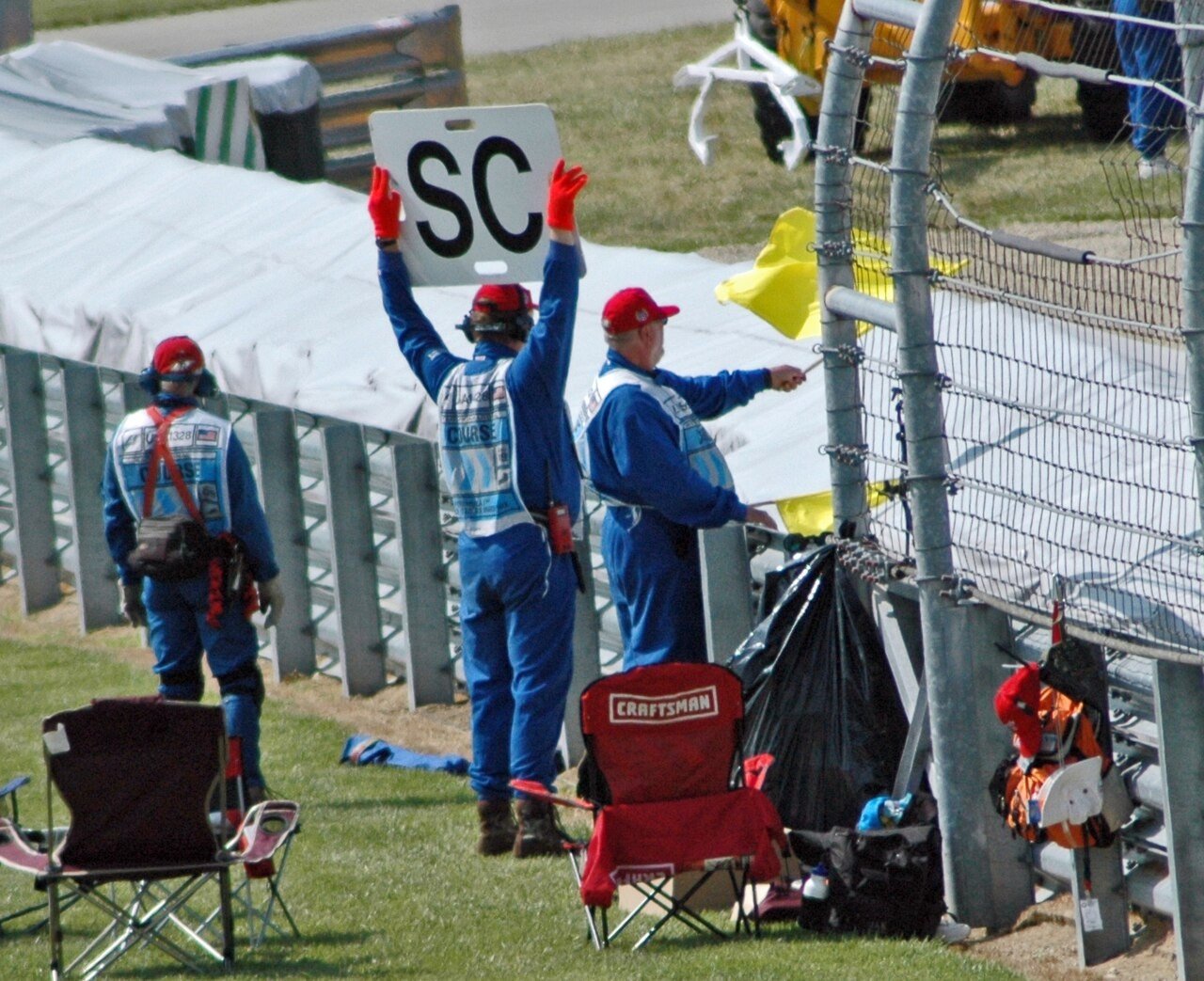
Race control sends out the safety car when there is a danger on the track that is too serious for yellow flags alone, such as an accident or debris. A driver in the safety car leads the field around the circuit at a reduced speed, and the cars behind are not allowed to overtake it.
Bunching the field
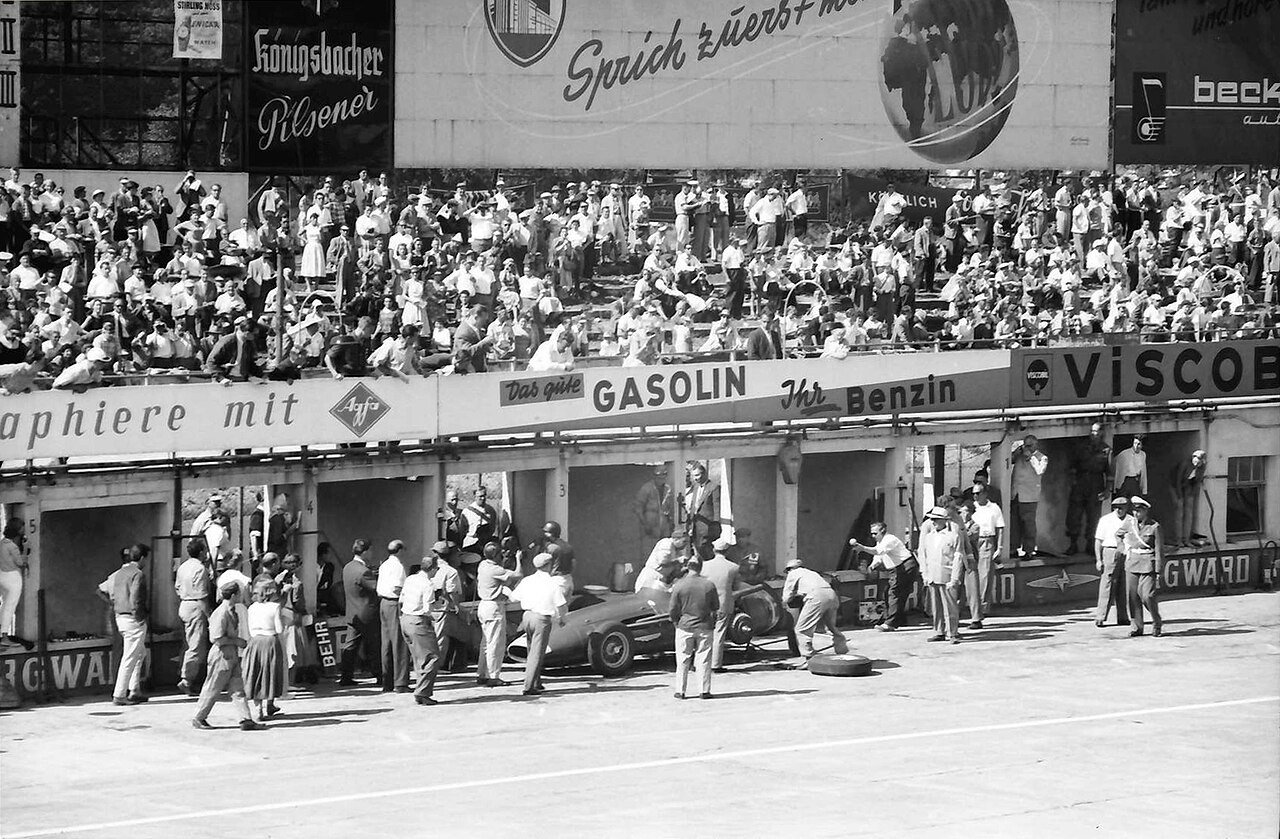
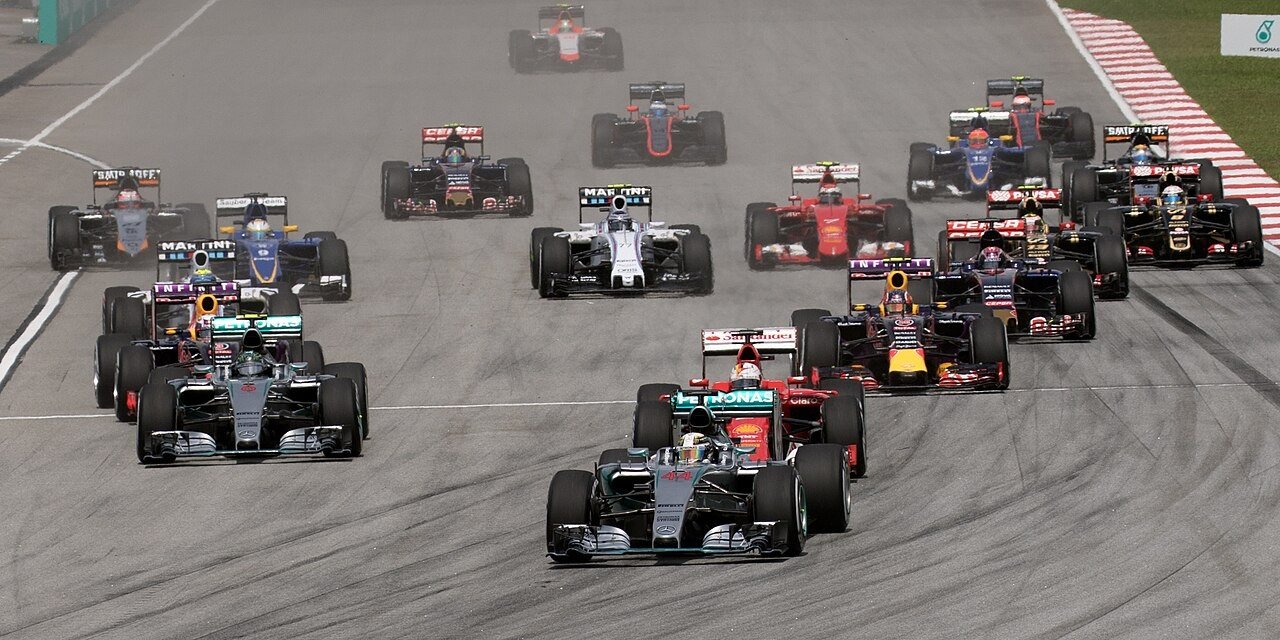
Because every car must follow the safety car, any gaps between the drivers shrink. A driver who was far ahead can lose their lead in a single lap, and teams often use the moment to make a cheaper pit stop.
The virtual safety car
For smaller incidents, race control can use a virtual safety car. There is no car on the track. Instead every driver must keep to a set speed shown on their dashboard, and the gaps stay roughly the same.
The restart
When the track is clear, the safety car goes back to the pit lane and the race resumes. The leader controls the pace at the front, and the drivers behind try to take advantage as soon as racing starts again.
Watch: team radio from Formula 1
Here is a recent video from the official Formula 1 YouTube channel.
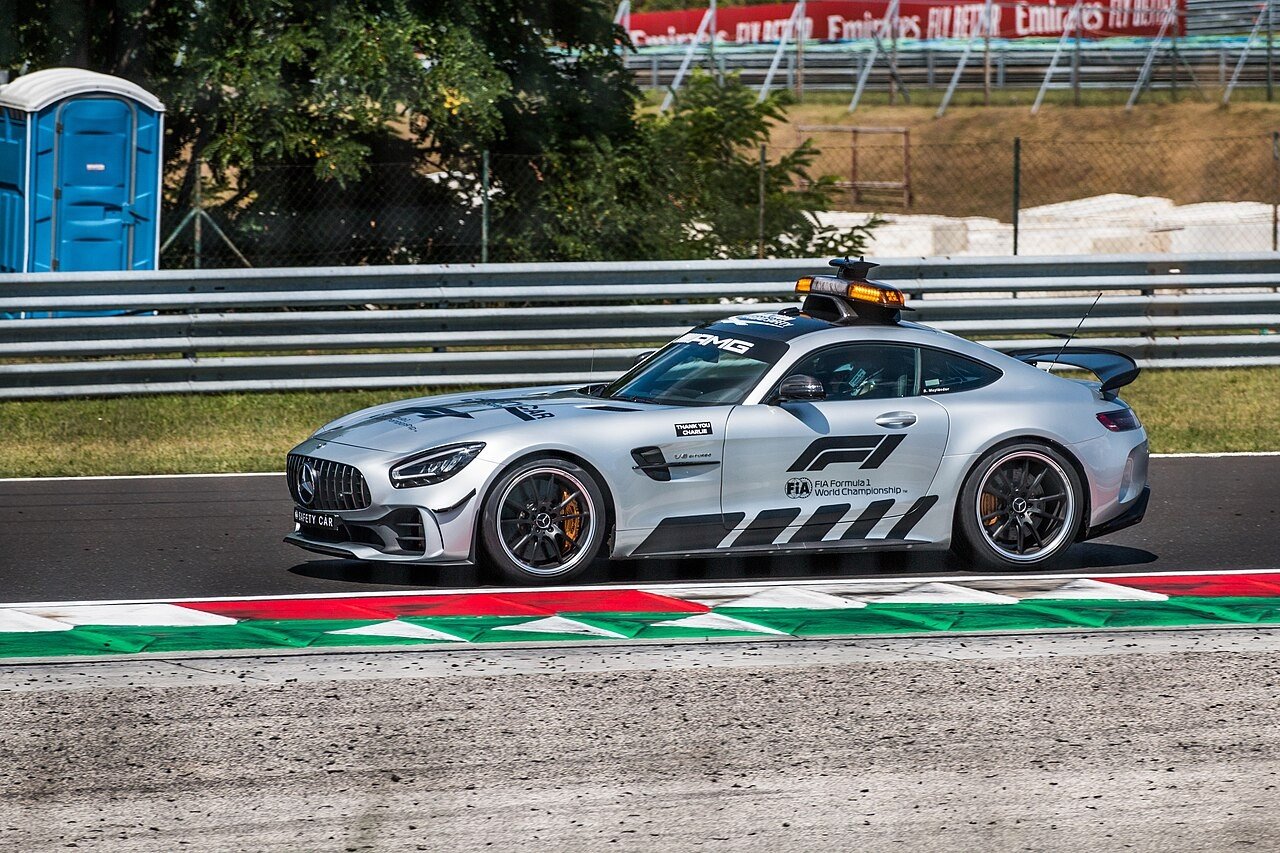
Cover photo: the Formula 1 safety car, a Mercedes-AMG GT R, on track. Photo: Michał Obrochta, CC BY-SA 4.0, via Wikimedia Commons.