A Formula 1 Grand Prix is spread over a whole weekend, and each session has a purpose. Knowing the order makes it much easier to follow who is quick and why the starting grid looks the way it does.
Practice
On a standard weekend there are three practice sessions before qualifying. Teams use them to learn the track, test tyre choices and set up the cars. Nothing in practice counts towards the result, so lap times can be misleading.
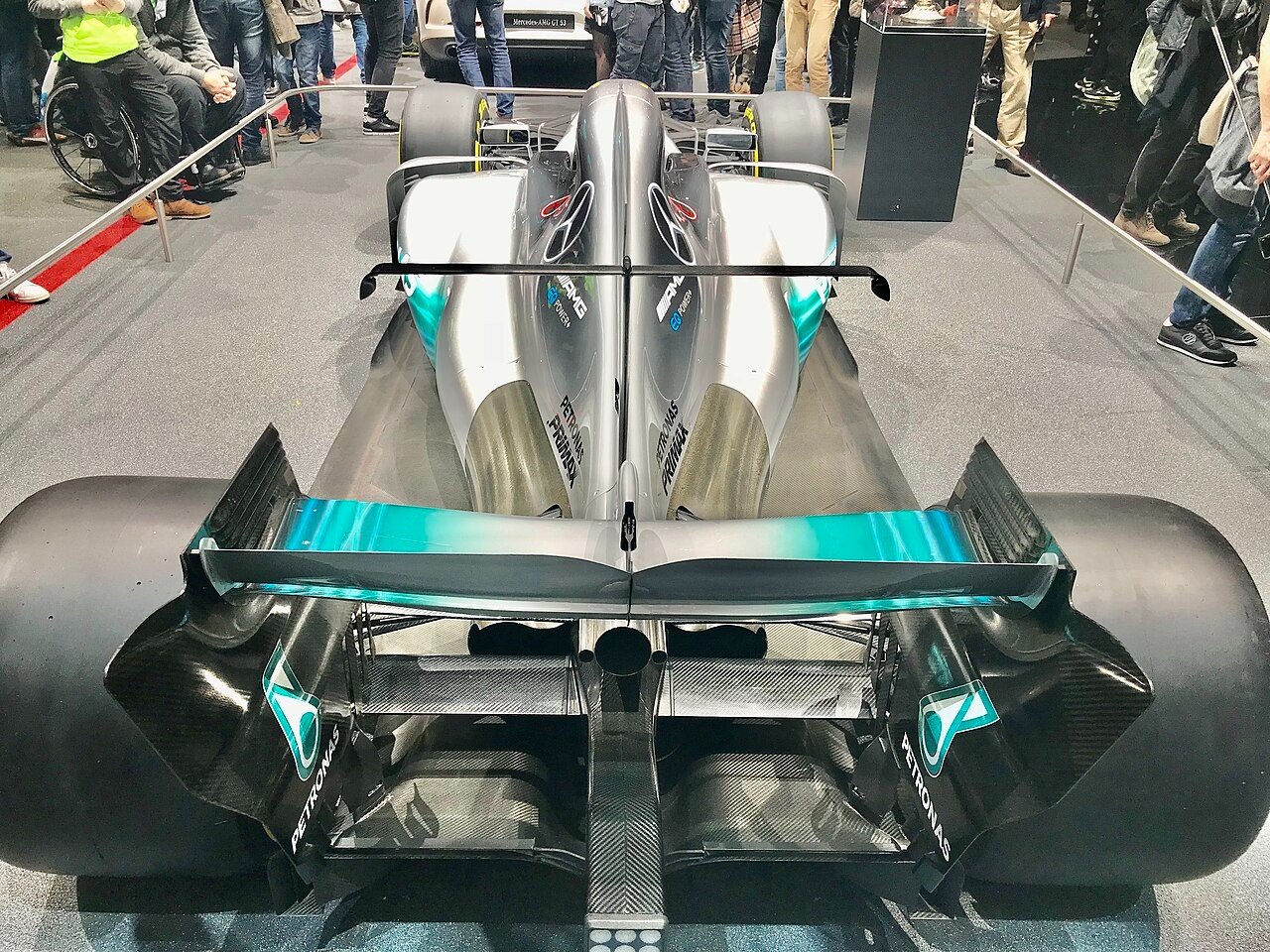
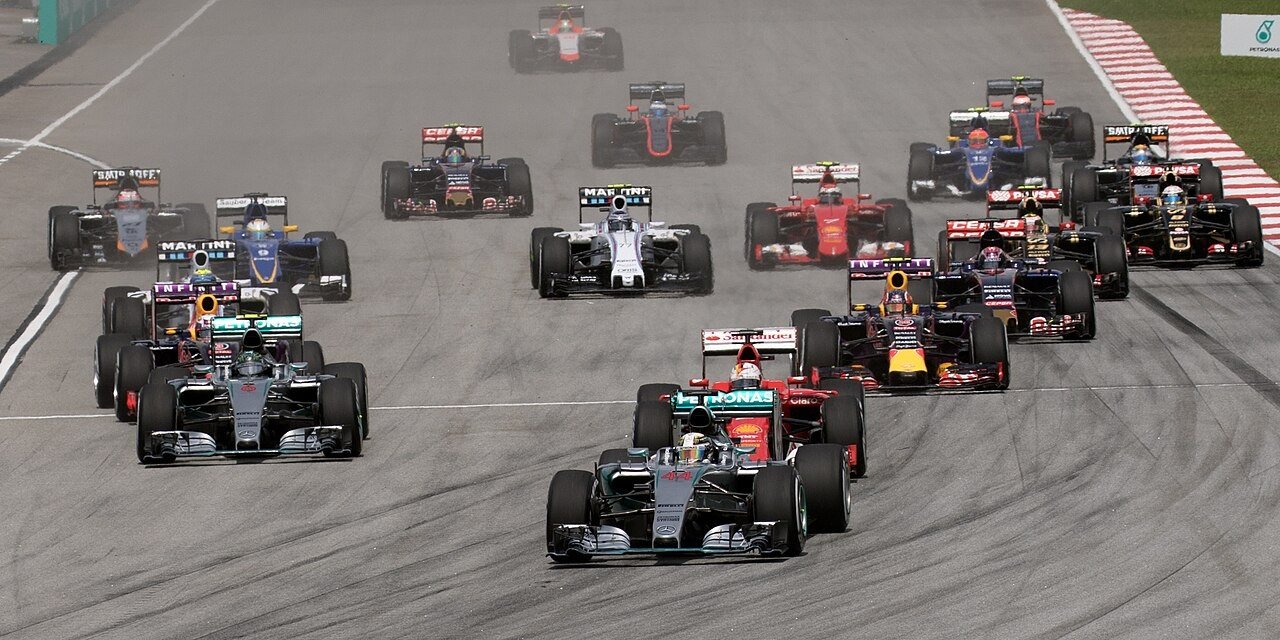
A Mercedes Formula 1 car. Photo: Ank kumar, CC BY-SA 4.0, via Wikimedia Commons.
Qualifying
Qualifying decides the starting grid. It runs in three parts, called Q1, Q2 and Q3. The slowest drivers are knocked out after Q1 and again after Q2, and the remaining ten drivers fight for the front of the grid in Q3. The quickest driver starts on pole position.
The race
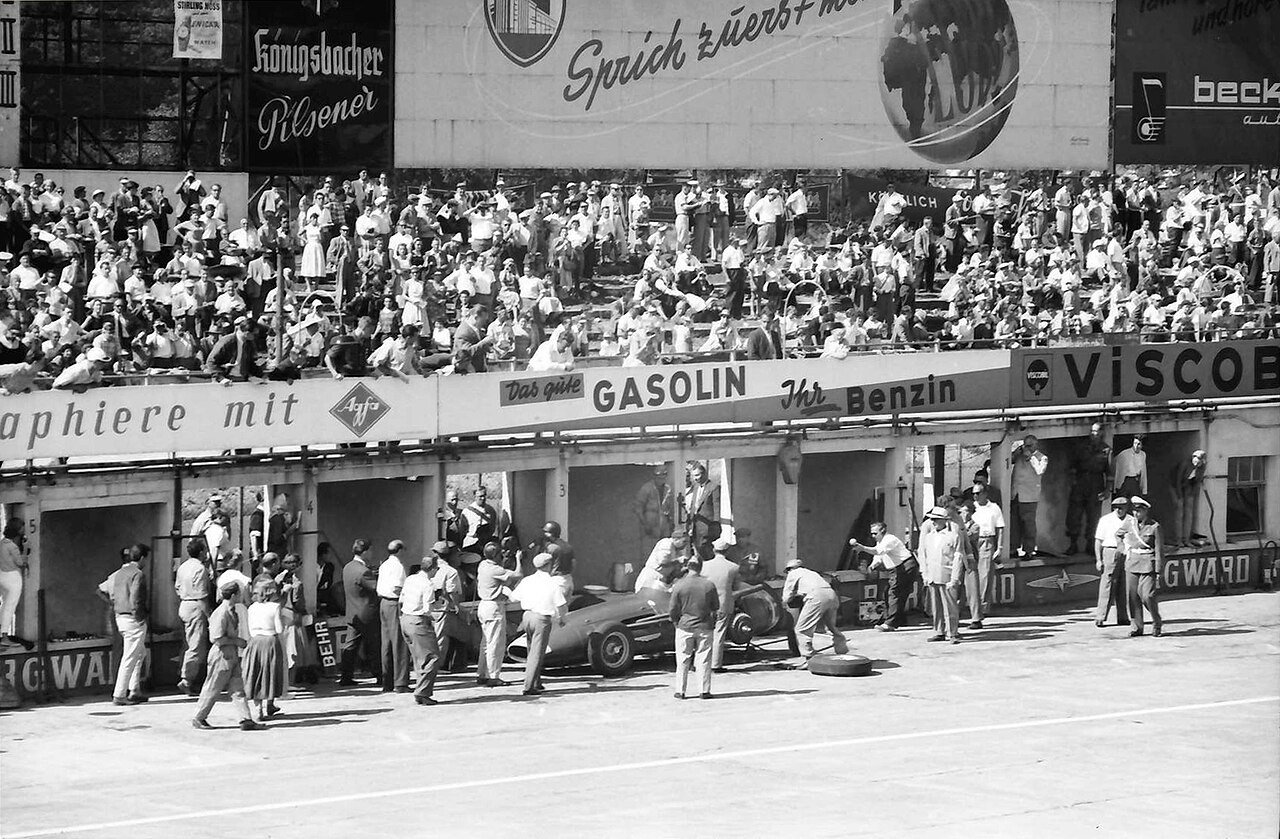
The Grand Prix is run over a set number of laps that adds up to a little more than 300 kilometres, except at Monaco, where the race is shorter. In a dry race every driver must use at least two different tyre compounds, so pit stops are a key part of strategy.
How points work
Points go to the top ten finishers. The winner receives 25 points and the totals go down through tenth place. Drivers and teams collect points across the season, and the Drivers' and Constructors' championships are decided by those totals.